Routine9 min read
Acne in your 20s and 30s: hormonal vs bacterial, and how to tell
Adult acne isn't teenage acne with extra steps. The location, timing, and texture are different — and so is the right treatment.
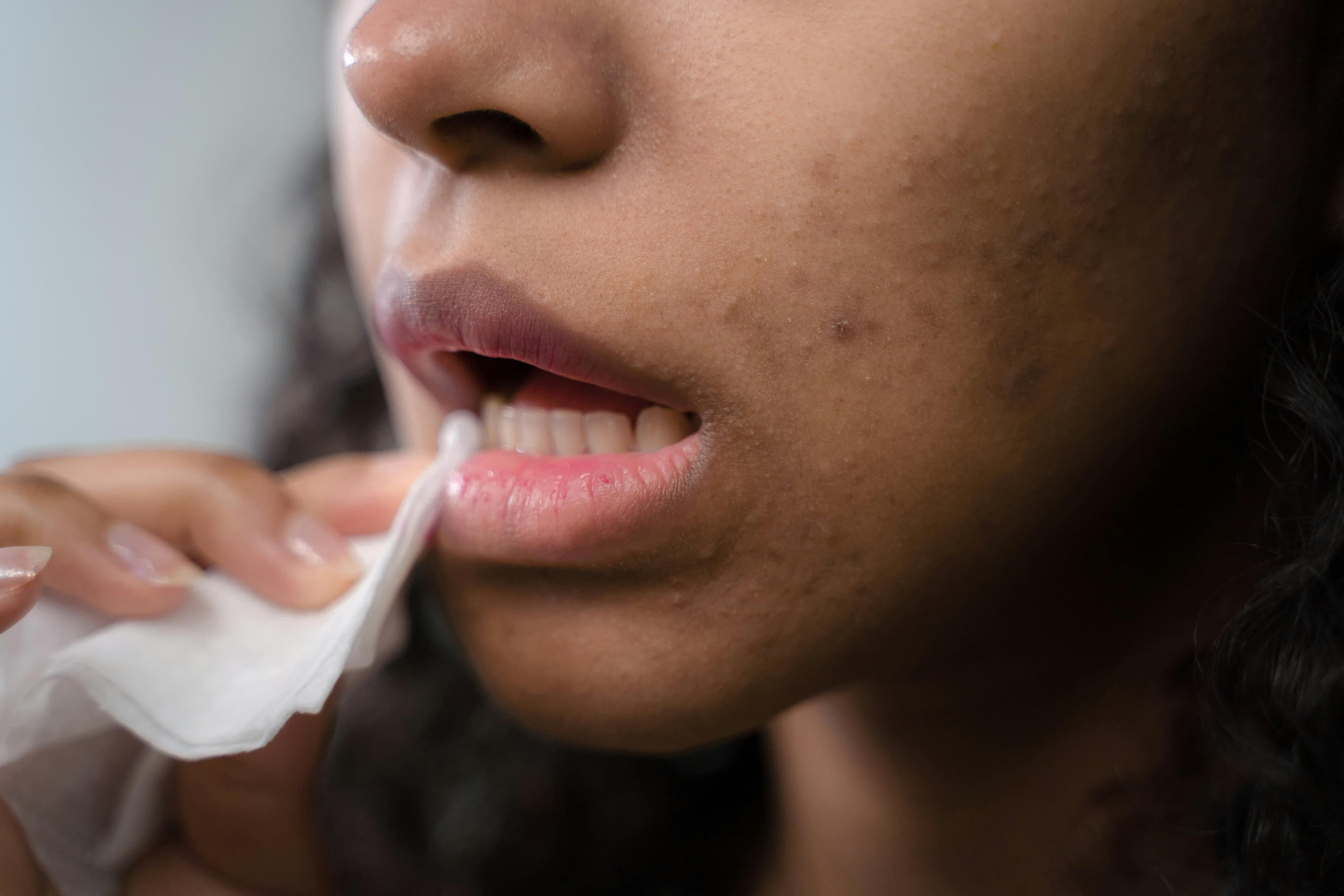
Acne in adulthood is more common than skincare marketing admits. Roughly 40–50% of women in their 20s and 30s experience it, often for the first time. The reasons are different from teenage acne — and the products designed for teenagers usually make adult acne worse.
This post covers how to tell what kind of adult acne you have, and what actually treats each.
The two main patterns
Hormonal acne
Where it shows up: lower face. Jawline, chin, around the mouth, sometimes neck. Texture: deep, painful, takes 1–3 weeks to come and go. Often doesn't form a head. Timing: cycles with your menstrual period — peaks 7–10 days before, calms a few days into bleeding. Trigger: androgen sensitivity in oil glands. The same hormone level that didn't bother your skin at 18 starts producing breakouts at 28 because receptor sensitivity changes with age.
What treats it: - Daily salicylic acid at 0.5% — keeps pores clear so trapped sebum has less to feed on - Daily niacinamide — regulates sebum, reduces inflammation - For severe cases: an oral contraceptive that's androgen-suppressive (talk to a dermatologist; not all OCPs help and some make it worse) - For severe cases: spironolactone (prescription-only, requires monitoring)
What doesn't treat it: - Aggressive scrubs (makes it worse — the comedone is below the surface) - Heavy benzoyl peroxide (can cause excess dryness without addressing the cause) - Birth control pills with high androgenic activity (some make it worse)
Bacterial / inflammatory acne
Where it shows up: anywhere oil is produced. Forehead, nose, cheeks, chest, back. Texture: surface-level pustules, sometimes whiteheads. Resolves in 3–7 days. May leave a post-inflammatory mark that takes longer to fade than the spot itself. Timing: linked to specific triggers — heavy moisturizers, dirty pillowcases, phone screens, hair products on the forehead. Trigger: Cutibacterium acnes overgrowth in clogged pores.
What treats it: - Daily salicylic acid — clears the pore + has mild anti-inflammatory effect - Spot treatment with benzoyl peroxide (2.5% is enough; higher concentrations cause dryness without killing more bacteria) - Pillowcase change every 2–3 days - Stop touching your face during the day
How to tell which you have
Map where the spots are over a 6-week period. Take photos weekly so you don't rely on memory.
If the pattern is: lower-face only, deep + painful, worst before period — it's hormonal. If the pattern is: scattered, surface-level, comes and goes in a week — it's bacterial/inflammatory. If the pattern is: both — most adults have a mix.
The Pakistani-climate-specific notes
A few things make adult acne harder to manage in Pakistani summer:
- Humidity + heavy sunscreen. Some chemical sunscreens are comedogenic. If you're breaking out on your forehead and cheeks, your sunscreen could be the cause. Mineral SPFs (zinc oxide-based) are generally lower-comedogenic.
- Hijab + face mask in heat. The trapped humidity + friction is an acne trigger. Switch to a breathable cotton inner cap, change it daily, and apply a thin barrier moisturizer (not a heavy cream) underneath.
- Hair oils + leave-in conditioners. Standard practice in many Pakistani households. The oils transfer to pillowcases overnight and to the forehead and temple area during the day. If your acne is concentrated where your hair touches your skin, this is likely the cause.
- Pollution months (Oct–Feb) in Lahore + Karachi. PM2.5 particles trigger inflammation. A double cleanse becomes more important, not less.
What to actually do
If your acne is mild-to-moderate (a few spots a week, no scarring):
- Build the minimum viable routine and run it for 8 weeks.
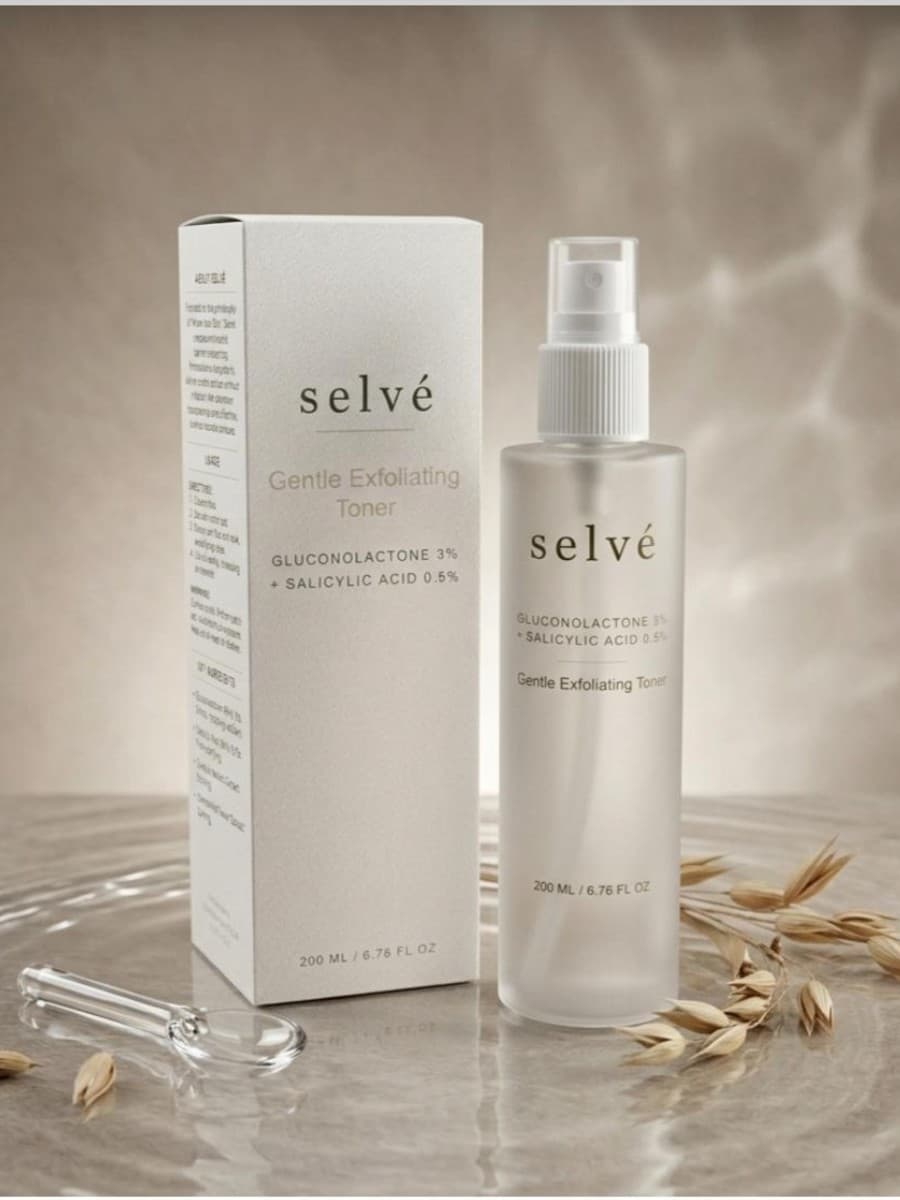
- Add our PHA toner — the salicylic + gluconolactone combination is dosed for daily use without irritation.
- Use our gel moisturizer — niacinamide regulates sebum, ceramides repair barrier.
- SPF 50 PA++++ daily, ideally a mineral or hybrid formula.
- Pillowcase rotation, hair off the face when sleeping, change phone screen wipe weekly.
If after 12 weeks of consistent routine you still have active cystic acne, painful spots, or scarring — see a dermatologist. Adult acne that doesn't respond to OTC routines often needs prescription support (topical retinoid post-pregnancy, oral antibiotics short course, spironolactone for hormonal, or low-dose isotretinoin for severe cases). A dermatologist who treats Pakistani patients will know how to layer prescription with mineral SPF and barrier care for the climate.
What absolutely won't help
- "Skin polishing" / aggressive chemical peels at high frequency
- Toothpaste on spots (myth, dries skin in a destructive way)
- Multani mitti / clay masks daily (fine weekly; daily strips lipids)
- Whitening creams "for the marks" — see why we don't sell whitening
The shortest version
Map the location + timing for 6 weeks. If lower-face + cyclical = hormonal (sebum + inflammation control). If scattered + surface = bacterial (pore-clearing + hygiene). Run the simple routine for 12 weeks before escalating to prescription.