Ingredients9 min read
Niacinamide deep dive: what 5% actually does for melanin-rich skin
The most-validated active for South Asian skin tone. Here's the research, the mechanism, the dose, and what to expect over 12 weeks.
Niacinamide is the most thoroughly studied skincare active for skin of colour. It does three things — well — and it does them with a safety profile no other actives match.
This post covers what it actually does, what dose works, what to combine it with, and what timeline to expect.
What it is
Niacinamide is the amide form of niacin (vitamin B3). It's water-soluble, stable across pH 4–7, plays well with most other actives (the old "don't combine with vitamin C" warning has been disproven in modern formulations), and is one of the few actives that improves multiple concerns simultaneously.
What it actually does for melanin-rich skin
Three documented mechanisms, in order of clinical weight:
1. Reduces hyperpigmentation by interrupting melanosome transfer
Hakozaki et al. (British Journal of Dermatology, 2002) showed niacinamide at 5% inhibits melanosome transfer between melanocytes and keratinocytes by 35–68% in cell culture and clinical trials.
This matters more for melanin-rich skin than lighter skin because melanocytes in skin of colour are more reactive — they produce more pigment in response to inflammation, UV, and even mechanical friction. Niacinamide doesn't suppress pigment production at the source (it's not a tyrosinase inhibitor). It interrupts the transport step, so existing pigment fades naturally as skin cells turn over and new pigment surfaces more slowly.
A 2024 PMC trial (Evaluation of a Serum Containing Niacinamide, Tranexamic Acid, Vitamin C, and Hydroxy Acid) showed niacinamide-based serums had similar efficacy to 4% hydroquinone for melasma — with significantly better tolerance and zero rebound risk.
2. Strengthens the skin barrier
Niacinamide upregulates ceramide and free fatty acid synthesis — the two lipid classes your stratum corneum is built from. Translation: skin holds water better, transepidermal water loss drops, and the "tight after washing" feeling reduces over 4–8 weeks.
This is why we include it in our gel moisturizer at 1% alongside hyaluronic acid and panthenol — barrier support compounds.
3. Regulates sebum
For oily skin (most Pakistani adults in summer), niacinamide reduces sebum output by suppressing sebocyte differentiation. Effect is moderate but cumulative over 8–12 weeks. Pores look smaller because they're producing less.
What dose works
The research range is 2%–5%. Higher isn't always better — at 10% some users report flushing or mild irritation, and the gain over 5% is marginal.
For pigmentation: 5% is the clinical sweet spot. For barrier + sebum: 2–4% is sufficient.
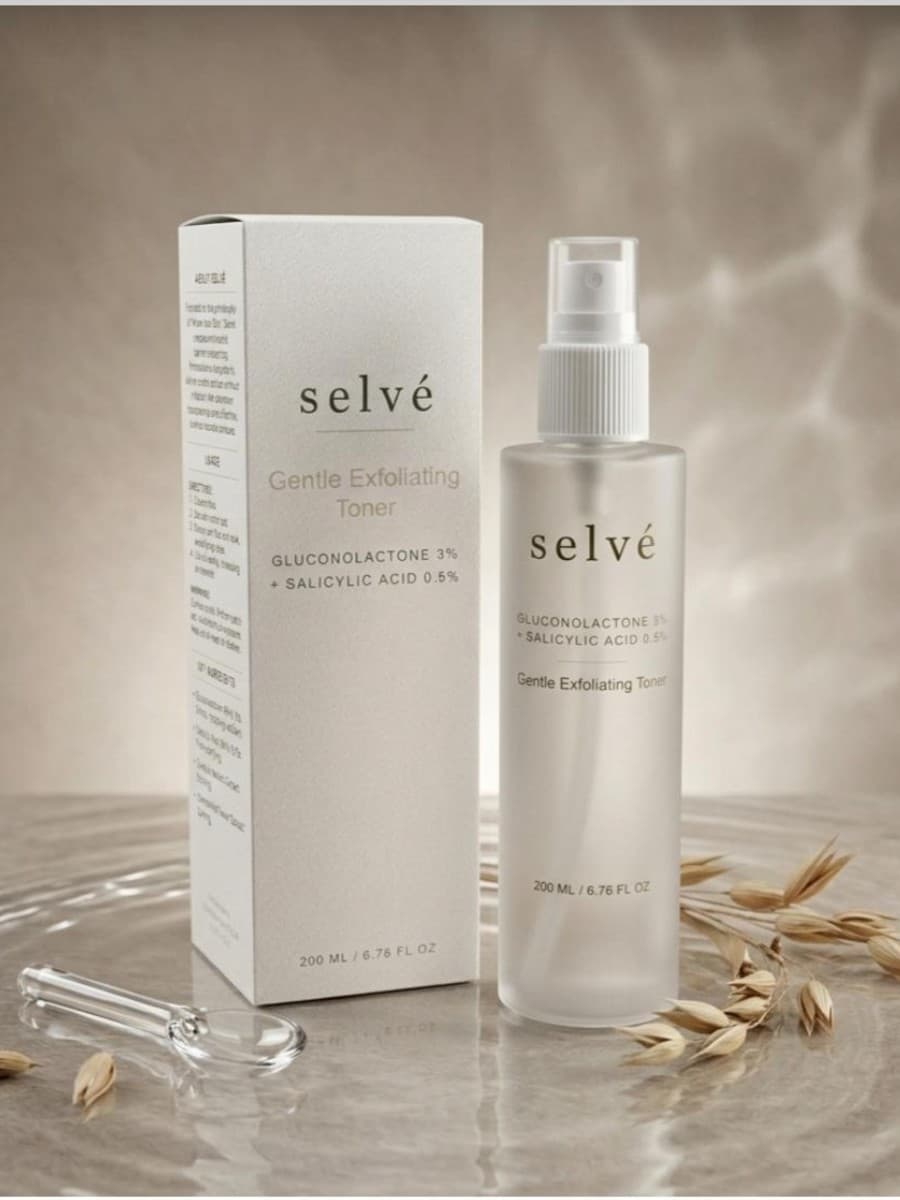
We use 2% in our PHA toner (where it pairs with the exfoliants) and a lower supportive dose in our gel moisturizer. The combined daily exposure lands in the clinical range without any one product being aggressive.
When you'll see results
Honest timeline: - Weeks 1–2: No visible change. Skin may feel slightly less tight after cleansing. - Weeks 3–4: Sebum production starts to regulate. Makeup stays clean for an extra hour or two. - Weeks 6–8: Existing dark spots visibly lighter. New pigment slower to form. - Weeks 10–12: Overall tone evens. The "patchy" look most Pakistani women describe softens.
Use it daily, ideally twice. Stop if you see flushing within an hour of application (rare, but it happens to ~1 in 50 users with rosacea-prone skin).
What to combine it with
Compatible with everything in our range. Specifically pairs well with: - [PHA exfoliation](/ingredients/gluconolactone-pha) — niacinamide brightens, PHA smooths the surface so light reflects evenly - [Salicylic acid](/ingredients/salicylic-acid-bha) — niacinamide suppresses inflammation; SA clears the pores. Together they fade post-acne marks faster than either alone. - SPF 50 PA++++ — non-negotiable. Without sun protection, niacinamide is a treadmill.
What it won't do
- It won't lighten your overall skin colour. (That's not its mechanism, and we'd refuse to formulate one that did — see our position on whitening creams.)
- It won't fix deep dermal pigmentation (some melasma) without companion treatments.
- It won't replace retinol for fine lines — different mechanism.
The shortest version
If you have melanin-rich Pakistani skin and dark spots are your main concern, daily niacinamide at 2–5% is the single most evidence-backed thing you can add to your routine. Plus daily SPF 50 PA++++.
8–12 weeks. Patience and consistency. That's the protocol.