Brand9 min read
Why we don't sell whitening creams — and what to use for even tone instead
Pakistani skincare has been built around the word "fair" for decades. We refuse to use it. Here's the science of what actually evens skin tone in melanin-rich skin.
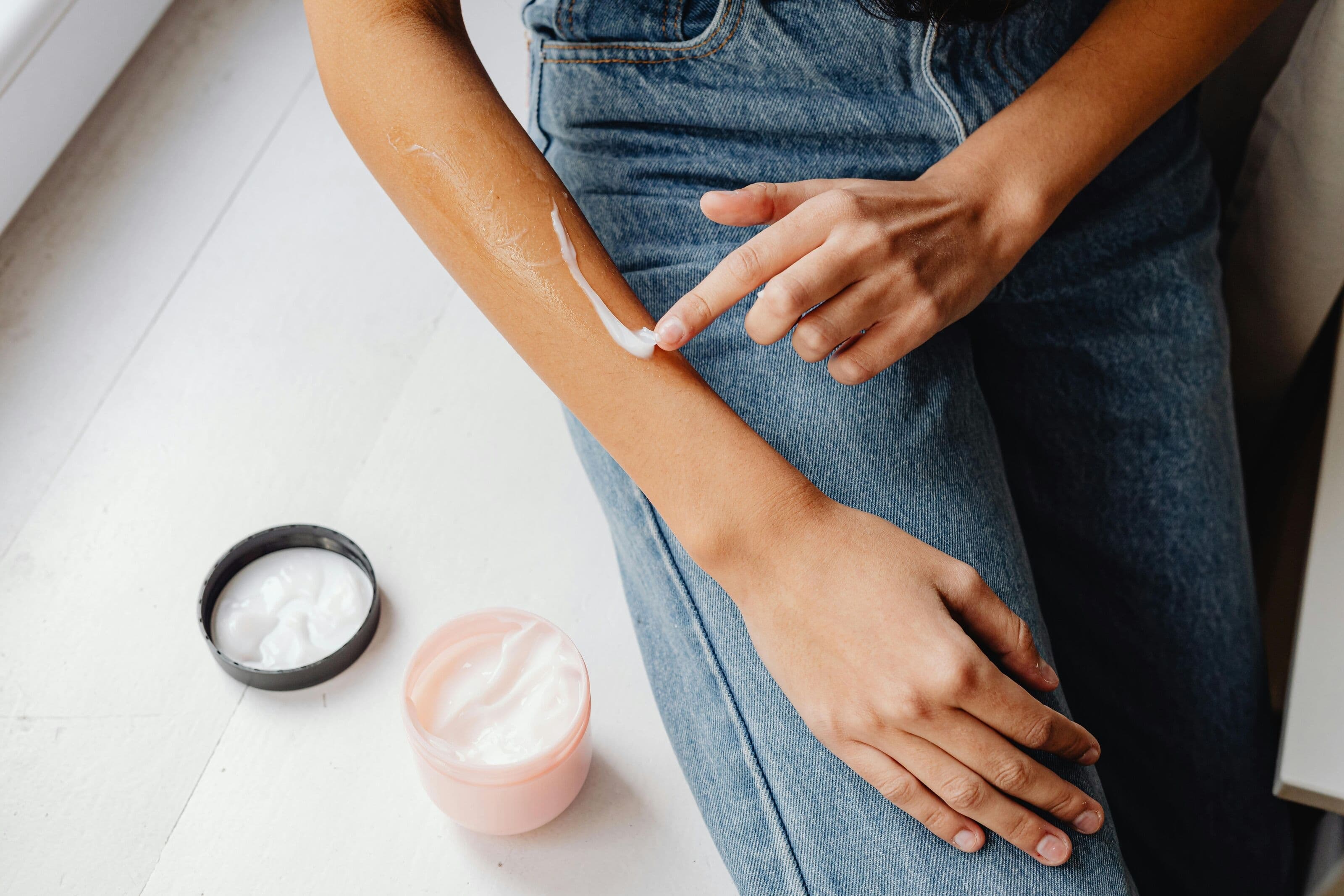
The biggest skincare market in Pakistan, by revenue, is whitening creams. The most-shared ingredients in those creams are hydroquinone (banned over 4% in many countries; abused in concentrations as high as 8% here), mercury salts (illegal as cosmetics in every developed market; routinely smuggled in), and steroid–retinoid blends marketed as "skin-renewing" without disclosing their pharmaceutical content.
We refuse to participate in that market. selvé will never sell a whitening cream. Not because we judge anyone for wanting clearer or more even skin — that's a legitimate, valid concern — but because the words "whitening" and "fairness" frame your skin as a problem to be erased. They aren't.
What people often actually want when they buy "whitening" is one of three things:
- Even skin tone (no patches darker than the surrounding skin)
- Clear skin (no blemishes, no post-acne marks)
- A subtle brightness or radiance
All three are achievable. None require lightening your overall skin colour, and none require dangerous actives.
Here's what works.
Niacinamide — the most-studied active for melanin-rich skin
Niacinamide (vitamin B3) is the single most-validated ingredient for tone concerns in skin of colour. The research goes back two decades:
- Hakozaki et al. (British Journal of Dermatology, 2002) demonstrated that niacinamide at 5% reduces melanosome transfer — the process by which pigment moves from melanocytes to surface skin cells — by 35–68% in cell culture and clinical trials.
- A 2024 PMC trial (Evaluation of a Serum Containing Niacinamide, Tranexamic Acid, Vitamin C, and Hydroxy Acid) showed niacinamide-based serums had similar efficacy to 4% hydroquinone for melasma, with significantly better tolerance.
- A 2014 trial in Skin Research & Technology showed combined niacinamide + tranexamic acid reduced facial hyperpigmentation in Asian, African, and Hispanic women within 8 weeks.
The mechanism matters: niacinamide doesn't bleach. It interrupts the transfer of pigment between cells. Existing pigment fades naturally as skin cells turn over (~28-day cycle); new pigment is slower to surface. Over 8–12 weeks of daily use, dark spots reduce visibly. Overall skin tone is unaffected.
That's the difference between brightening and whitening: brightening evens what's there. Whitening removes what's there.
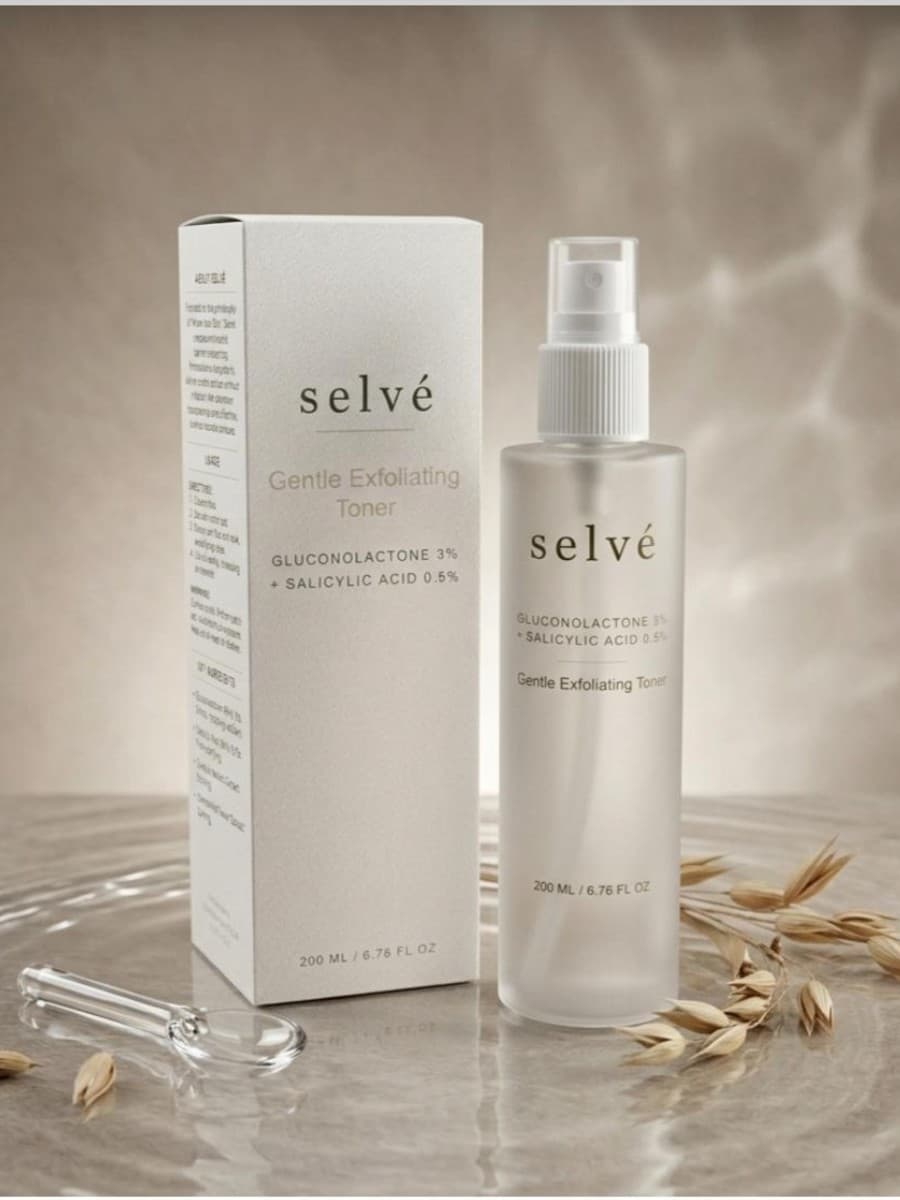
You'll find niacinamide at clinically-relevant doses in our gel moisturizer (2%) and our PHA toner (also dosed at 2% — alongside gluconolactone and salicylic acid).
Gentle exfoliation for the post-acne marks
Most "uneven tone" in Pakistani 20-somethings isn't melasma — it's post-inflammatory hyperpigmentation (PIH). The dark mark left after a pimple resolves. PIH is the single most common pigment concern in melanin-rich skin because melanocytes are more reactive: they produce more pigment in response to inflammation than lighter skin does.
The fix is patience plus gentle exfoliation. PHAs (polyhydroxy acids) are gentler than AHAs and don't cause photosensitivity. Three months of consistent PHA use, plus daily SPF 50 PA++++, will fade most PIH by 60–80%.
Aggressive options (chemical peels, laser, hydroquinone) work faster but carry rebound risk: melanin-rich skin can rebound darker after irritation. Slow and gentle wins.
Read more on gluconolactone, the PHA we use, and on salicylic acid — the BHA that keeps the pores clear so PIH doesn't form in the first place.
SPF — the brightening "active" you don't think of as one
Sunscreen is the most under-appreciated brightening product on the market. UV exposure triggers melanin production; melanin-rich skin produces more melanin per UV photon than lighter skin. So the same hour at the beach causes more pigment in melanin-rich skin, and that pigment is harder to fade.
Daily SPF 50 with PA++++ is non-negotiable for tone. Without it, every active above is a treadmill — you fade pigment one week, the sun makes more next week.
What we're against — and why
The active ingredients in most Pakistani whitening creams fall into three categories:
- Hydroquinone above 2%. Causes ochronosis (a permanent blue-grey discolouration) with long-term use. Banned for OTC sale in the EU; restricted to dermatologist prescription in the US.
- Mercury salts. Illegal as cosmetics globally. Cause kidney damage, neurological symptoms, and irreversible skin thinning.
- Steroid–retinoid combinations (often marketed as "skin renewers" without disclosure). Cause steroid acne, telangiectasia (visible blood vessels), skin atrophy, and rebound pigmentation when stopped.
These are easy to spot if you know what to look for: ingredient lists in English, no batch numbers, vague "natural extracts" claims, and most damningly, results within 7 days. Anything that lightens skin meaningfully in 7 days isn't doing it through evidence-based ingredients.
What we'd want you to do instead
Three steps:
- Build the routine in the Pakistani summer skincare guide. It's the foundation.
- Add daily niacinamide via either the PHA toner or the gel moisturizer.
- Be patient. 8–12 weeks of consistent use, then reassess.
You'll have evener tone. Your skin colour will not change. That's the point.