Climate7 min read
Monsoon skincare in Pakistan: humidity, fungal acne, and sweat
When the monsoon arrives, the air changes and so should your routine. The breakouts that show up in July are often not the acne you think — and treating them as acne makes them worse.
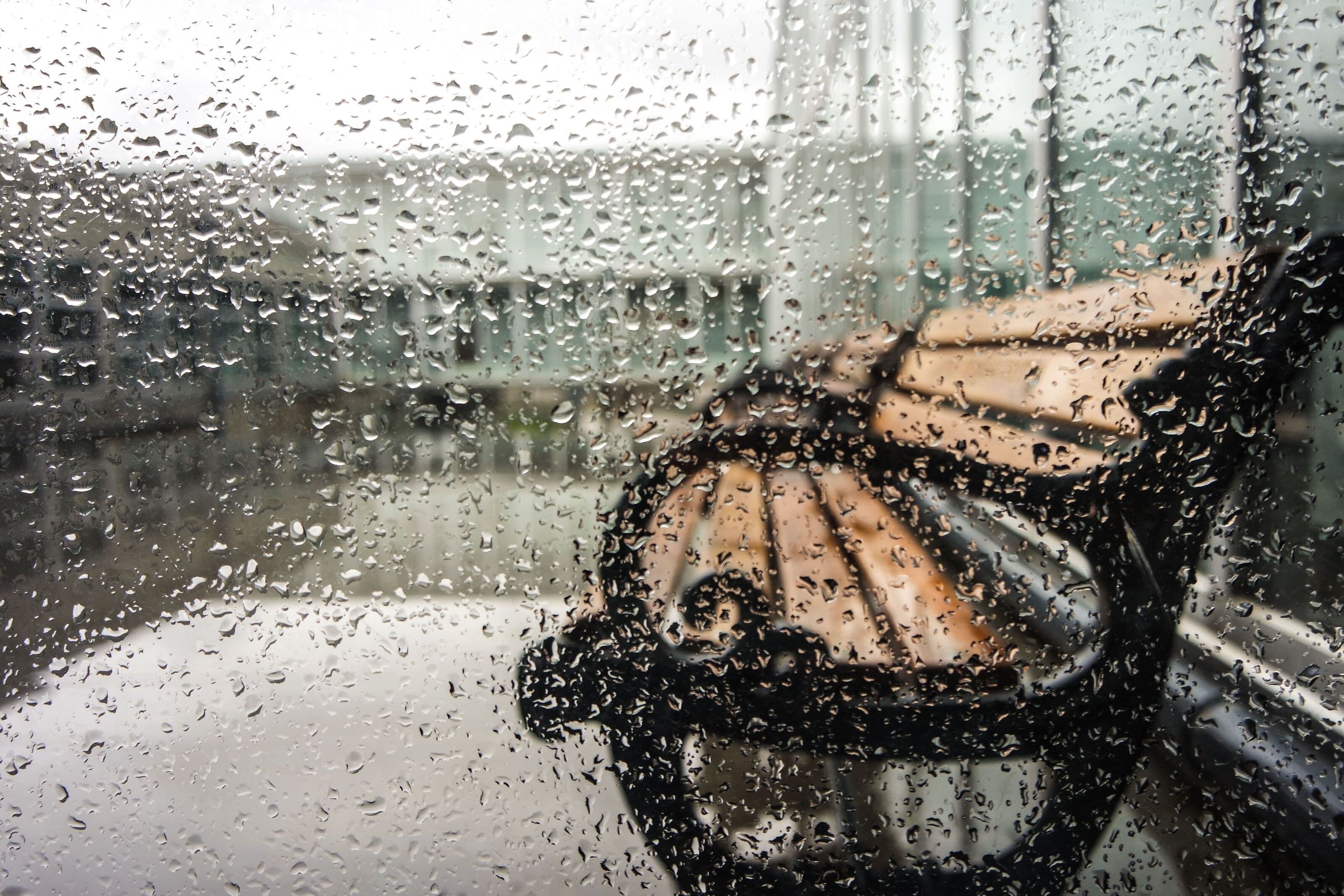
Pakistan's monsoon runs roughly July to September, and along the coast it brings oppressive humidity off the Arabian Sea — Karachi's relative humidity averages around 78–80% through July and August. Inland cities are drier but still see humidity climb sharply once the rains arrive. The routine that worked in dry pre-monsoon heat often stops working overnight. Here's how to adjust it — and the one diagnosis most people get wrong.
What humidity actually does to skin
In high humidity, sweat and sebum don't evaporate cleanly — they sit on the skin, mixed, occluding the pores. Heavy creams that felt right in dry weather now feel suffocating and trap that layer in. The result is more congestion and more breakouts, even for people whose skin was behaving a month earlier.
The instinct is to fight it by scrubbing harder and washing more. That's the wrong move — it strips the acid mantle (the skin's slightly acidic surface, around pH 4.5–5.5, that helps keep pathogens in check) and sets off the tight-but-oily cycle. The right move is lighter, not harsher.
The breakout that isn't acne
This is the most useful thing in this post. In hot, humid, sweaty weather, a lot of "monsoon acne" is not acne at all — it's Malassezia (Pityrosporum) folliculitis, or "fungal acne": an overgrowth of the skin's normal yeast that thrives in heat, humidity, sweat and occlusion (Rubenstein & Malerich, review, 2014).
How to tell it apart from ordinary acne:
- It's itchy — true acne usually isn't.
- The bumps are uniform, small (1–2 mm), and clustered — often on the forehead, chest, back and shoulders — rather than the mixed blackheads, whiteheads and larger spots of acne vulgaris.
- It doesn't respond to your acne products. You can throw salicylic acid and benzoyl peroxide at it for weeks and watch it sit there.
That last point is why it matters: fungal acne responds to antifungals (ingredients like ketoconazole or zinc pyrithione), not to standard acne care. If you've been "treating acne" all monsoon with no result, this is the likely reason — and a dermatologist can confirm it quickly. We touch on the same distinction for body breakouts and adult acne.
One practical consequence: is lipid-dependent — it feeds on certain oils and fatty acids. In monsoon, heavy facial oils and rich fatty-acid-laden creams can actively feed it. Another reason to go lighter.